Published on: February 18, 2026 at 2:37 pm
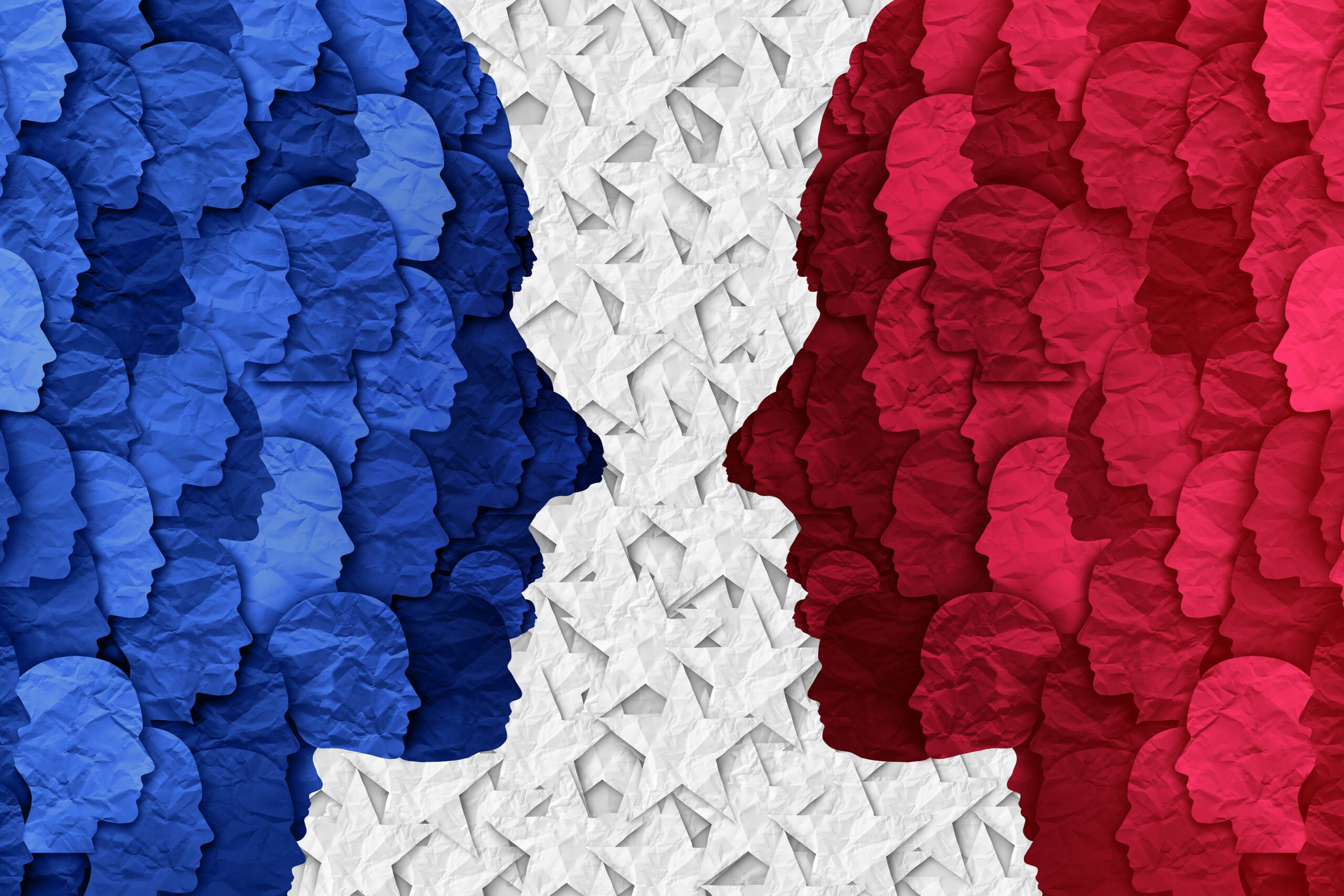
The real ideological divide fomenting increased partisanship may not be what policies people believe in, but rather how those beliefs are labeled according to a political affiliation.
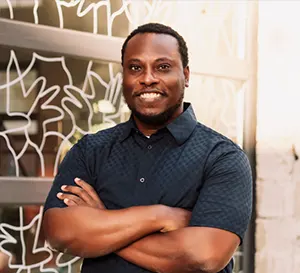
“Party affiliations are actually driving a lot of this perception that we are so fragmented when our ideologies are not actually that different,” said Academy of Management Scholar Sekou Bermiss of the University of North Carolina’s Kenan-Flagler Business School.
“People’s ideology is pretty close to the same as it was 20 years ago, 30 years ago, 40 years ago,” Bermiss said after listening to the speakers at an Academy of Management symposium at the organization’s annual conference. “The main thing that I took away from it that I’ve carried with me is that what I believe to what the average person believes is not that far apart.”
Bermiss’s theory suggests that we aren’t as divided as media portrayals make us think we are and illustrates that oftentimes people aren’t disagreeing over what is right and wrong; instead, they’re reacting to perceived differences in group memberships or affiliations with a tribal mentality.
“It’s political affiliations and political parties that have gone in opposite directions,” Bermiss said. “So if you just look at what people believe, and you don’t attach any affiliation or any party to it, people are pretty close in terms of what policies they like and which they dislike.
“There’s way more than enough overlap between most people for them to come to some sort of agreement,” he said. “But if you start talking about political positions that their respective parties hold, that is where there’s almost no overlap.”