Published on: December 3, 2025 at 4:02 pm
In 2026, performance management will be turned on its head as traditional appraisals are rejiggered or transformed altogether, according to Academy of Management Scholar Peter Bamberger of Tel Aviv University.
For more than 100 years, organizations have been evaluating employees on the basis of their job performance. And for most of those 100 years, both managers and employees have complained about every aspect of performance appraisal, including its cost and time demands, its inherent subjectivity and bias, and its reliance on metrics that often fail to capture what employees truly contribute, Bamberger said. Despite this, organizations have been unable to live without performance appraisals. Until now.
“In the year ahead, AI-driven changes in the nature of work, demands for greater organizational agility, tighter labor markets, and increasing pressure on employers to adopt more transparent and equitable employment practices are likely to intensify the baby steps already being taken by organizations to replace or at least complement traditional performance appraisal with employee skill assessments and reviews,” he said.
“Simply put, in 2026, competitiveness will be largely determined by the ability of an organization to more effectively develop employee skills and monitor their enterprise-wide skill inventories, ensuring that they have the human capital ready to deploy when and where it’s most needed.”
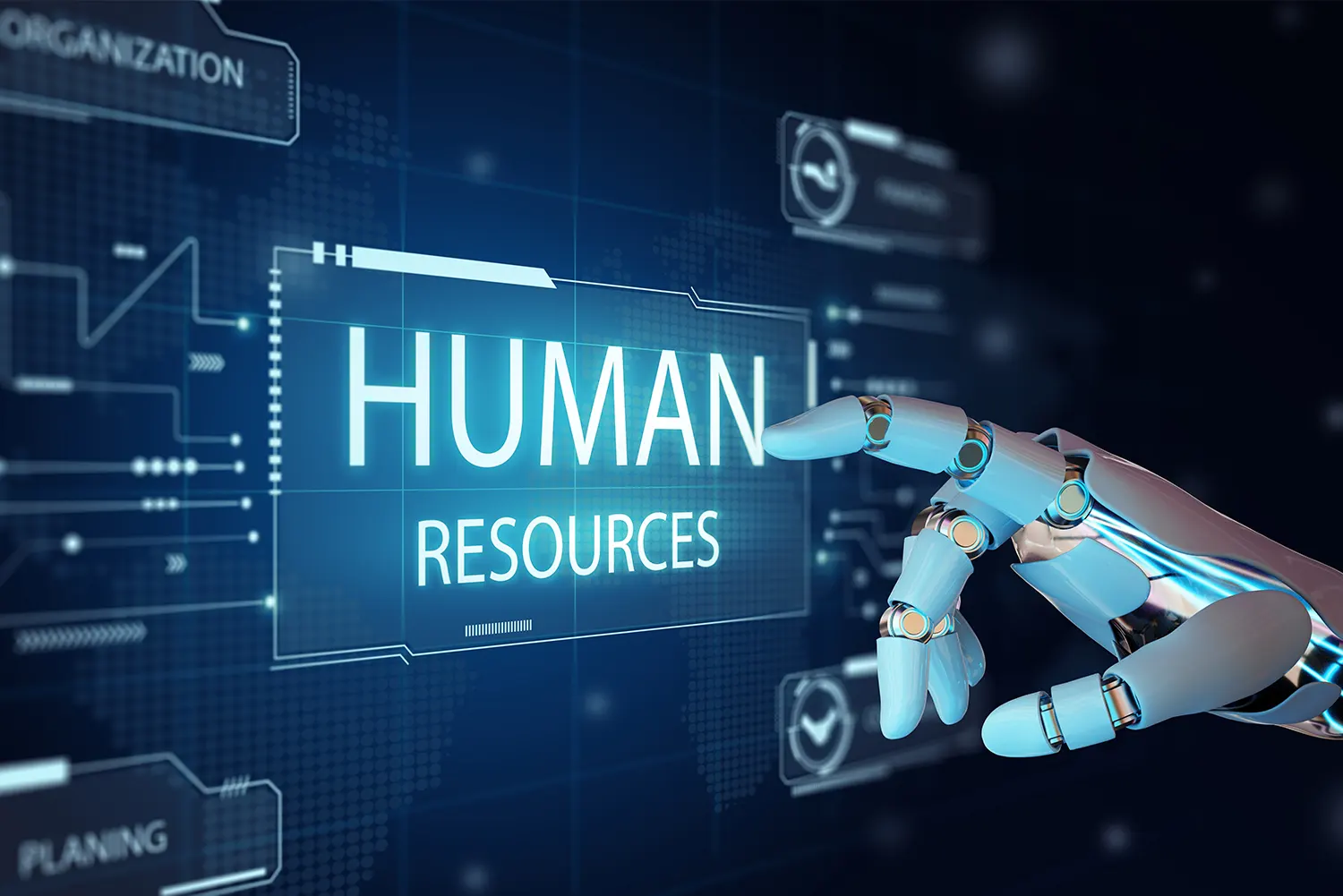
Bamberger said that periodic employee check-ins guided by AI-driven technologies, identifying potential skill gaps, and providing employees with a variety of skills-development opportunities are likely to replace the annual performance review.
“These developmental check-ins will reshape the dialogue between managers and their subordinates, truly transforming the manager into a coach, and offering a more fair and open means by which to maximize and capture employee contributions,” Bamberger said.
“This shift toward skill-based assessments is already driving a revolution in HR-tech, one that not only leverages AI to maximize current and future HR deployments but also provides employees with greater control over their own career development within what is increasingly becoming known as the enterprise talent marketplace,” he said.
“While organizations are likely to still have to justify reward decisions at least in part on the degree to which employees meet their KPIs, 2026 is likely to witness a pivot towards capturing and rewarding those skills and competencies that dynamically drive contribution.”