Published on: November 2, 2026 at 8:30 am
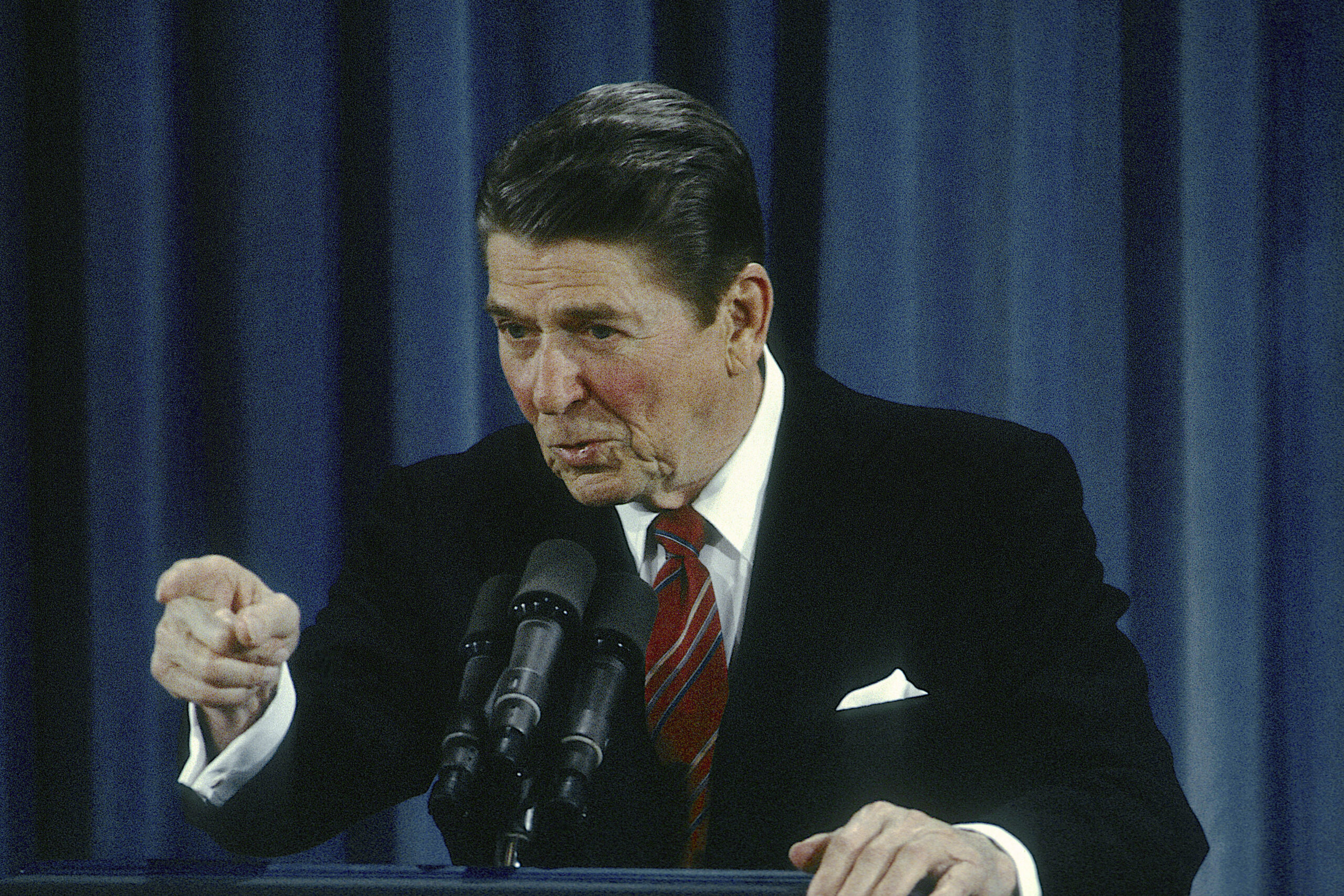
As the 2026 US midterm elections approach and politicians make their rounds on the campaign trail, Ronald Reagan’s oft-repeated question— “Are you better off than you were four years ago?”—is forcing President Donald Trump and his party to defend their economic record in the face of voters’ deep frustration and anxiety over the high cost of living. Despite positive indicators across stock markets buoyed by artificial intelligence (AI), stagnant wages and persistent inflation, driven by a 4% increase in consumer prices and a 45% spike in oil and gasoline costs linked to the Iran war, have pushed consumer sentiment—and Trump’s approval ratings—to near-record lows.
According to Academy of Management Scholar Jeffrey Pfeffer of Stanford University, most people in the US will tell you that they are worse off than they were in January 2025, when President Trump’s second term began.
“The prices are higher—voters are concerned about their pocketbooks and the effects of AI—they are anxious and upset,” Pfeffer said. “This is a good economy if you own a lot of stock—it’s been a good economy for high-net-worth individuals and corporations, oil-and-gas companies in particular.
“It’s certainly been a good economy if you’re a friend or family member of Donald Trump, because he’s given out a bunch of no-bid contracts, and we got the Lincoln Memorial Reflecting Pool debacle and all these other scandals,” he said.
There are many ways in which Trump and his family have profited from his presidency. He has also normalized making offensive remarks, even if that won’t be an important factor in the upcoming midterm elections.
“The level of corruption is really unprecedented, but my concern about the knock-on effects of his policies and his leadership are that it’s going to take everything—not only in the public sector but also in the private sector—and make it worse, because to some extent, the president is an exemplar for all leaders,” Pfeffer said. “So, if you were to say to your colleagues, ‘What are the effects of a leader?’ one of the effects of a leader is to set an example, to be a model for other people.
“And many people will now say, ‘Well, you know, if the president of the United States can make racist and misogynistic comments, so can I,’ and I have African American friends who claim that we are back to the 1950s, prior to the Civil Rights Movement, in terms of the level of discourse, the use of the N-word, and all this other racist stuff,” he said.
“His example is also catastrophic for ethics, as many people think, ‘If the President of the United States can basically act in ways that are completely self-dealing, so can I.’ So, the worst knock-on effect is Trump serving as the role model and the bad lessons he is sending to other leaders.”
A sample of Pfeffer’s AOM research findings:
- When Time Is Money, Work Is Stressful
- Returning Favors May Be Less Likely at Work
- Employee Health Benefit Hassles Cost US Businesses Billions
- Thirteen Practices for Managing People