Published on: July 23, 2026 at 11:00 am
By Nick Keppler
Integrating various forms of AI, including generative AI and machine learning, is now seen as essential for any company’s operations and strategic planning. Also, given the predicted magnitude and supposedly all-consuming nature of the changes wrought by the technology, some company executives might be confused as to how exactly AI could best benefit them.
“I think most executives think, ‘Okay, we have to use it, and now we have to find out in which ways we should use it.’” said Academy of Management Scholar Thomas Hutzschenreuter of the Technical University of Munich.
Leaders should take a broad approach and look across their organization’s value chain, the sequence by which it delivers its goods or services—from inception and logistics to delivery and post-sale support, Hutzschenreuter said. They will probably find a few spots where AI could help.
“You need a map of different business processes that can be substituted or expedited by a machine,” said Hutzschenreuter.
Repetitive administrative tasks and manual processes are obviously worth evaluating, he said, but one shouldn’t stop there in an evaluation of a value chain for inefficiencies that can be automated or ameliorated.
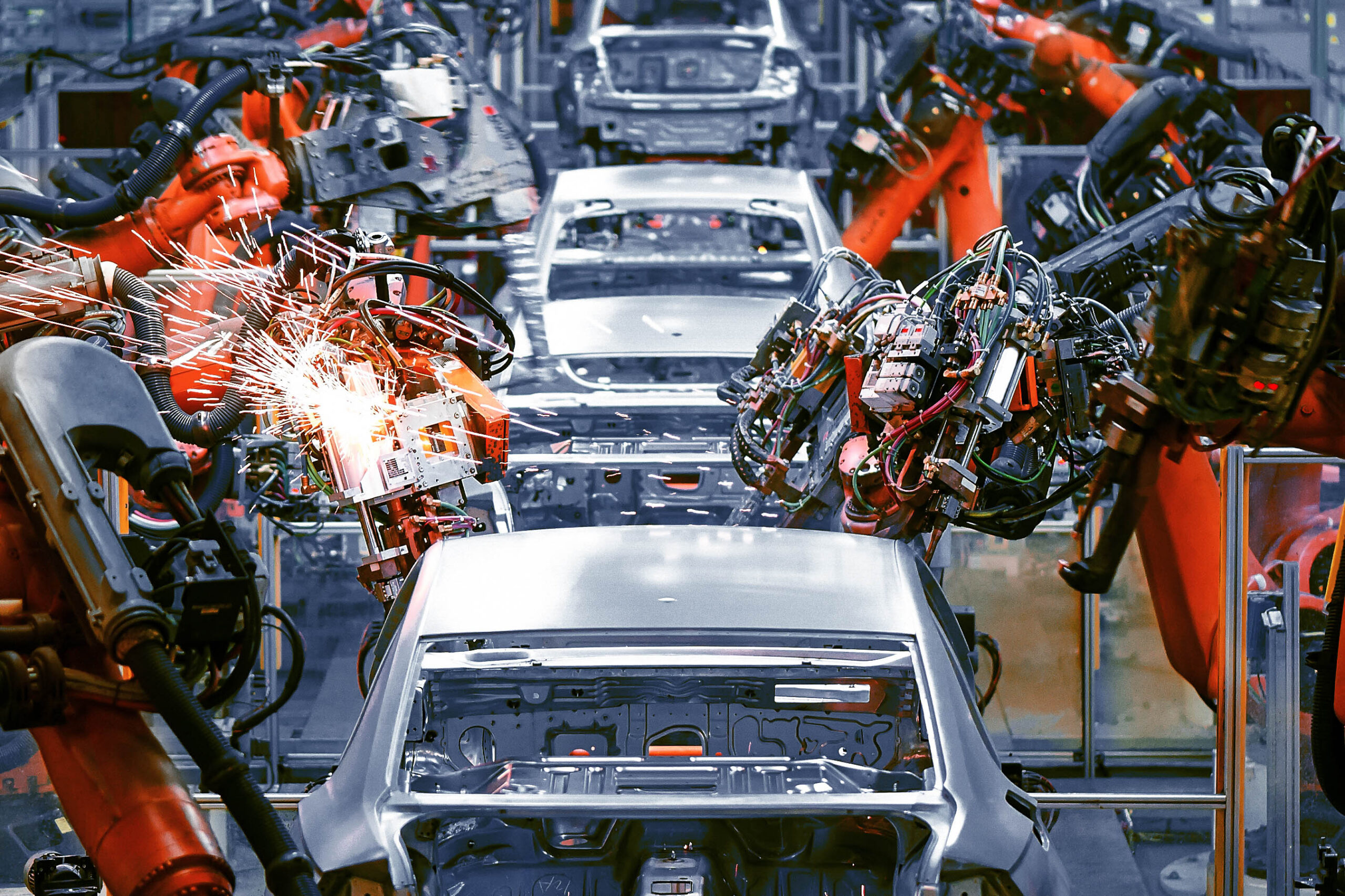
Hutzschenreuter uses a theoretical automotive company as an example. First, its research and development (R&D) division works on ideas for new products. Predictive AI could find ways to make vehicles more “energy efficient, that is, fuel efficient or battery or electrical energy efficient,” he said. “That’s a huge field of application, in production.”
An auto company could also use predictive models to anticipate potential disruptions on assembly lines, such as machine breakdowns and process bottlenecks. AI could help to minimize downtime and maintain smooth operations, potentially outperforming traditional forecasting methods.
Once a new automobile model is in the showrooms, predictive AI could lead to more precise customer targeting. AI could optimize advertising campaigns and outreach efforts.
In his home country of Germany, Hutzschenreuter said he has assisted businesses across industries, from heavy machinery manufacturers to chemical companies and media organizations.
“Wherever I’m invited these days, there is no single board that doesn’t have AI on the agenda,” he said.
“All of them have some link in their value chain where AI could assist in problem solving and optimization.”
Categories: AI, Innovation, Leadership, Technology