Published on: October 3, 2026 at 7:51 am
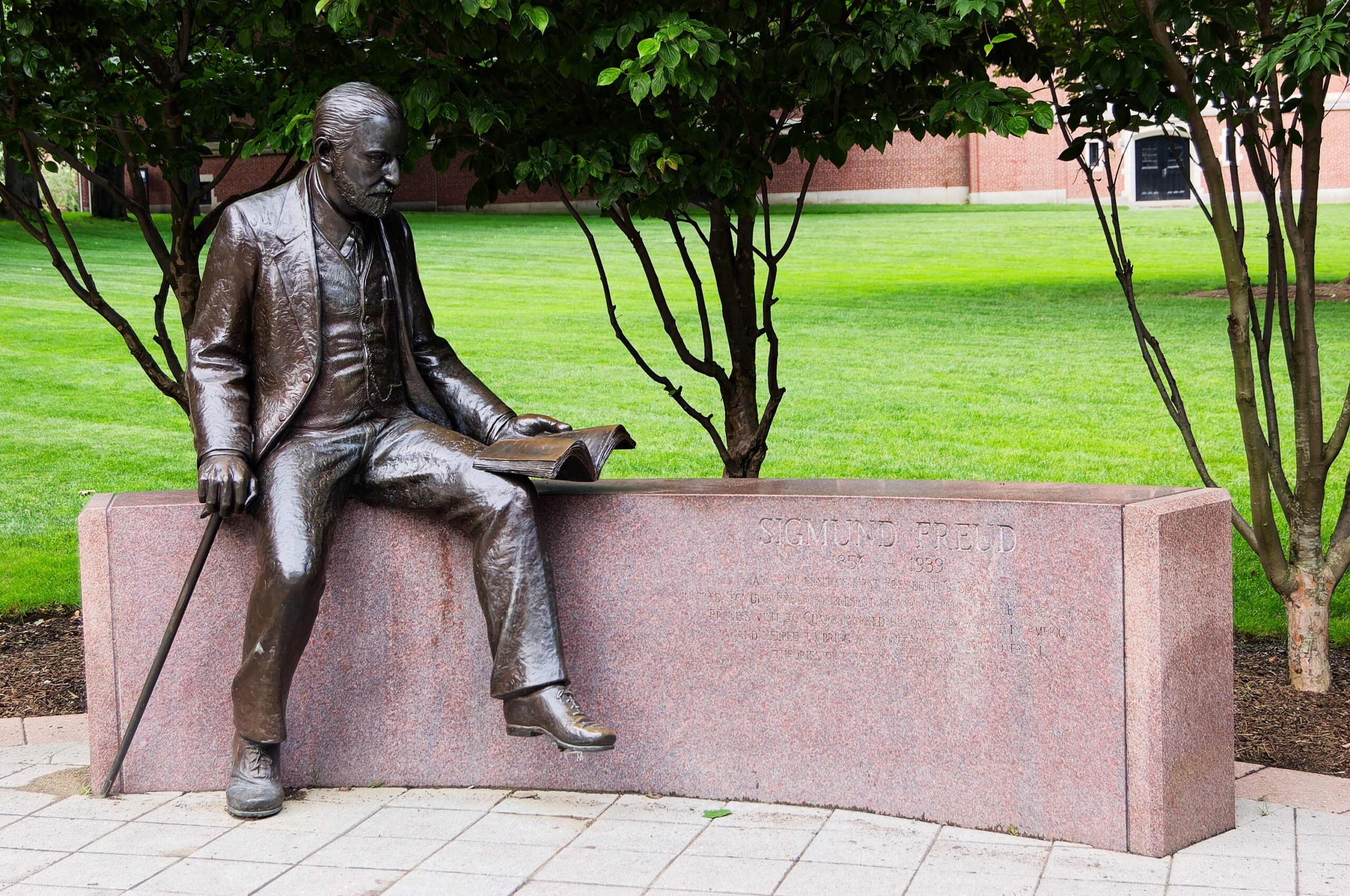
Why is U.S. President Donald J. Trump obsessed with putting his name on Kennedy Center building, pursuing the reflecting pool saga, installing a ballroom and underground complex, building the Triumphal Arch, and various other costly construction and renovation projects? When trying to explain people’s behavior, emotions, and motivations, Sigmund Freud would suggest analyzing that person’s relationship with their parents dating back to childhood.
According to biographers, Trump’s father, Fred Trump, maintained unyielding expectations for his sons, instilling a fiercely competitive worldview centered on financial success. In response to behavioral problems during Donald’s teenage years, the elder Trump enrolled him in the New York Military Academy to enforce strict discipline.
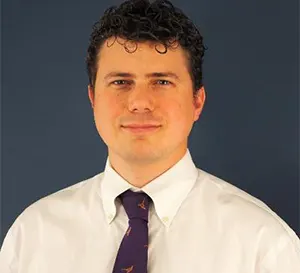
According to Academy of Management Scholar Jeffrey Sonnenfeld of the Yale School of Management, who moderated the panel “The Framers of 1776 vs. The Nation’s Leadership In 2026; Is the Vision Now Vivid or Blurred?” at the 2026 AOM Annual Meeting in Philadelphia, family members have characterized the relationship between father and the son as emotionally rigid, cold, or even callous, with the father pressuring the son and the latter struggling to outshine his older brother, Fred Trump Jr., to earn Fred Sr.’s love. Sonnenfeld has coauthored the book Trump’s Ten Commandments: Strategic Lessons from the Trump Leadership Toolbox with Steven Tian, also of Yale.
“His grandiosity is tied up with his goals of being known as a winner, being a successful president, and establishing a lasting legacy,” Sonnenfeld said. “The psychoanalysts would have had a field day with this, that his older brother was the preferred child and carried the name Fred Jr., while Donald never managed to persuade his late father, Fred Sr., that he was better than his father thought he was—or should be.
“Donald Trump could never convince his dad that he was worthy of being the well-loved favorite son, and he’s haunted by this Oedipal type of battle with the shadow or the ghost of someone you can never truly show you’ve equaled or beaten or made proud,” he said.
“As he gets older, he worries about creating lasting symbols, the way he puts his name on coins and gold shoes and a cryptocurrency and buildings and monuments and statues and legislative acts and things like that—that’s really astounding.”
Sonnenfeld recalled the historical example of Alexander III of Macedonia, who claimed to be descended from characters featured in Homer’s The Iliad and The Odyssey and had a propensity for naming cities after himself.
“Nobody called him ‘Alexander the Great’ until he called himself that and wound up creating a false link to Odysseus and Achilles and probably started to believe it himself—and obviously he did name Alexandria, the city in Egypt, and many others, after himself, but it was nothing like this,” he said. “Caesar and all the other Roman emperors combined did not have as much grandiosity as Trump is showing.”