Published on: October 1, 2026 at 1:01 pm
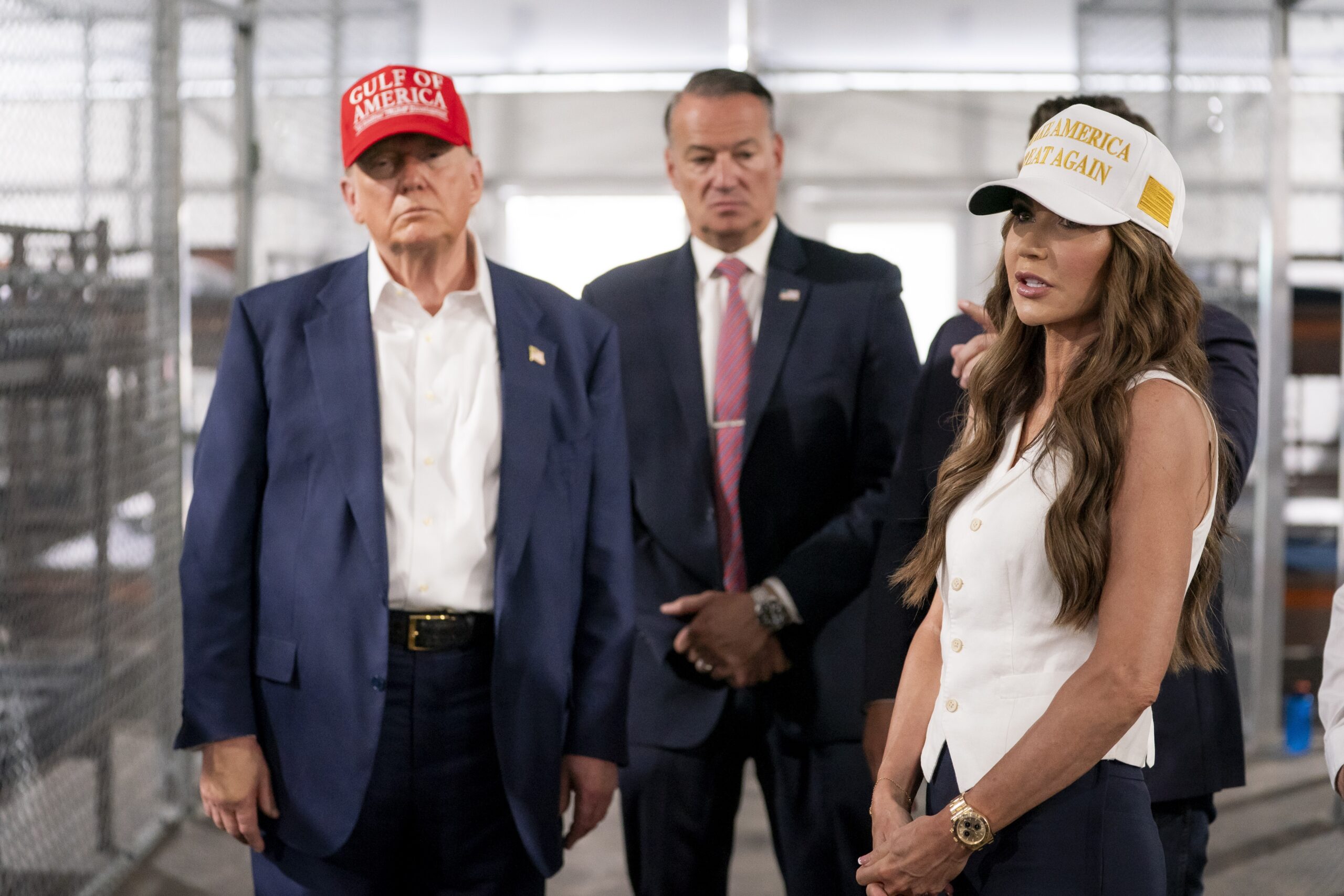
Instead of relying on bureaucratic rules and structures, U.S. President Donald Trump empowers fluid, project-based teams made up of people who have professed loyalty to him and quickly respond to his whims and off-the-cuff directives. While this enables pivots and appointees to feel empowered, it also often sows chaos, as contradictory orders trigger confusion, not to mention press coverage.
According to Academy of Management Scholar Jeffrey Sonnenfeld of the Yale School of Management, who moderated the panel “The Framers of 1776 vs. The Nation’s Leadership In 2026; Is the Vision Now Vivid or Blurred?” at the 2026 AOM Annual Meeting in Philadelphia, in the current administration, everything is centralized through Trump. Sonnenfeld has coauthored the book Trump’s Ten Commandments: Strategic Lessons from the Trump Leadership Toolbox with Steven Tian, also of Yale.
“Trump likes appointing all these people to ad hoc roles,” Sonnenfeld said. “Warren Bennis, a great friend of mine who used to be a professor at USC but sadly passed away, coined the term adhocracy while commenting on the temporary nature of organizations. The futurist, Alvin Toffler, talked about adhocracy back in the ’70s, and the founder of Airbnb talks about adhocracy or founder mode.
“That’s helpful maybe at the time of creation; however, when you’re running a large enterprise or a big branch of government, you don’t have the skill and the expertise needed—so Trump doesn’t get that expertise,” he said. “He has people in key roles who are loyal just back to him, so they’re never going to challenge him based on filial piety or fealty, as they would have said back in medieval times.”
Sometimes Trump changes his mind about an order that he issued previously, and he has famously fallen out with many people who served in his administration. There is a parallel to his embrace of chaotic adhocracy in the unpredictable ways that he uses threats as he negotiates with leaders of other countries.
“His negotiating style isn’t to build trust, but rather it’s to draw blood, so he smacks you in the nose with a log, and then everything else is going to look reasonable,” Sonnenfeld said. “Threaten 160% tariffs, up from 12%, against China, and then he winds up with 37%, but China was only at 5% tariffs against us, and now it’s up at 32% or 33%. What did you get from all that? Or saying you’re going to bomb Iran to get rid of three millennia of Persian culture is not really advancing the cause, but he thinks it does.”