
AMD Call for Submissions: Registered Reports
This is a permanent call for submissions for Academy of Management Discoveries.

25 January 2027 @ 13:00 – 16:00 EST
Dr. Justin DeSimone
University of Alabama
Artificial intelligence (AI) offers myriad opportunities to enhance the research process. To get as much out of AI as possible, researchers must develop an understanding of the capabilities of AI but should also be aware of critical limitations. This workshop will address five areas researchers should consider when exploring the potential for AI to assist with research and analysis: (1) recognizing potential errors and limitations in AI-generated outputs, (2) using AI to generate and refine research ideas, (3) developing research design and measurement using AI, (4) applying AI’s capabilities to data analysis and interpretation, and (5) writing alongside AI. Across the workshop, particular attention will be given to how AI can support (rather than replace) researchers’ critical evaluation skills. Following the lecture, participants will have the opportunity to apply these concepts through a set of hands-on exercises inspired by each of the five topic areas. Participants should come away from this workshop with an improved sense of how AI can assist the research and data analysis process along with practical strategies for critically evaluating AI-generated output. At the end of this workshop, participants should be more comfortable integrating AI into their organizational research endeavors.

Justin A. DeSimone is an associate professor in the Department of Management at the University of Alabama. His research focuses on research methodology, including statistics, measurement, and innovative assessment techniques. Justin’s work has been published in various outlets including Organizational Research Methods, the Journal of Management, and the Journal of Applied Psychology. He has served as an associate editor for Organizational Research Methods and the Journal of Organizational Behavior as well as on the editorial review boards for the Journal of Management and Journal of Business and Psychology. Justin has also served on the executive committee for the Research Methods Division at Academy of Management and is a frequent contributor to CARMA.
This is a permanent call for submissions for Academy of Management Discoveries.
Are you thinking of submitting a manuscript to AMP? We have a terrific global team of engaged editors eagerly awaiting the opportunity to help develop your work.
Discoveries-through-Prose empower authors to craft their manuscripts in nontraditional ways that make for tighter, more engaging narratives.
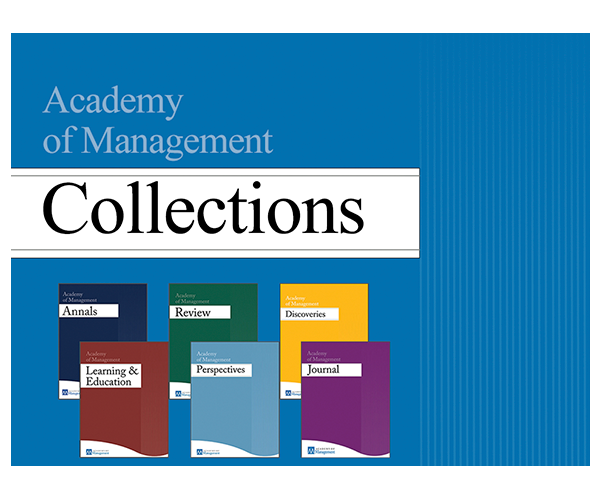
Interested in publishing an Academy of Management Collection? Submit an original essay tied to articles selected from the AOM archive.
Actionable Solutions to Real-World Problems of Practice and Policy Based on Prior Academy of Management Publications
For this special issue, we invite submissions to all of AMLE’s peer-reviewed sections, including Research and Reviews, Essays, and Book and Resource Reviews.
In partnership with AOM’s Community Accelerator Program and Entrepreneurship Division, the workshop will strengthen the skills of business faculty and PhD students to foster the next generation of transformative entrepreneurs using research-based methods and real-world insights.
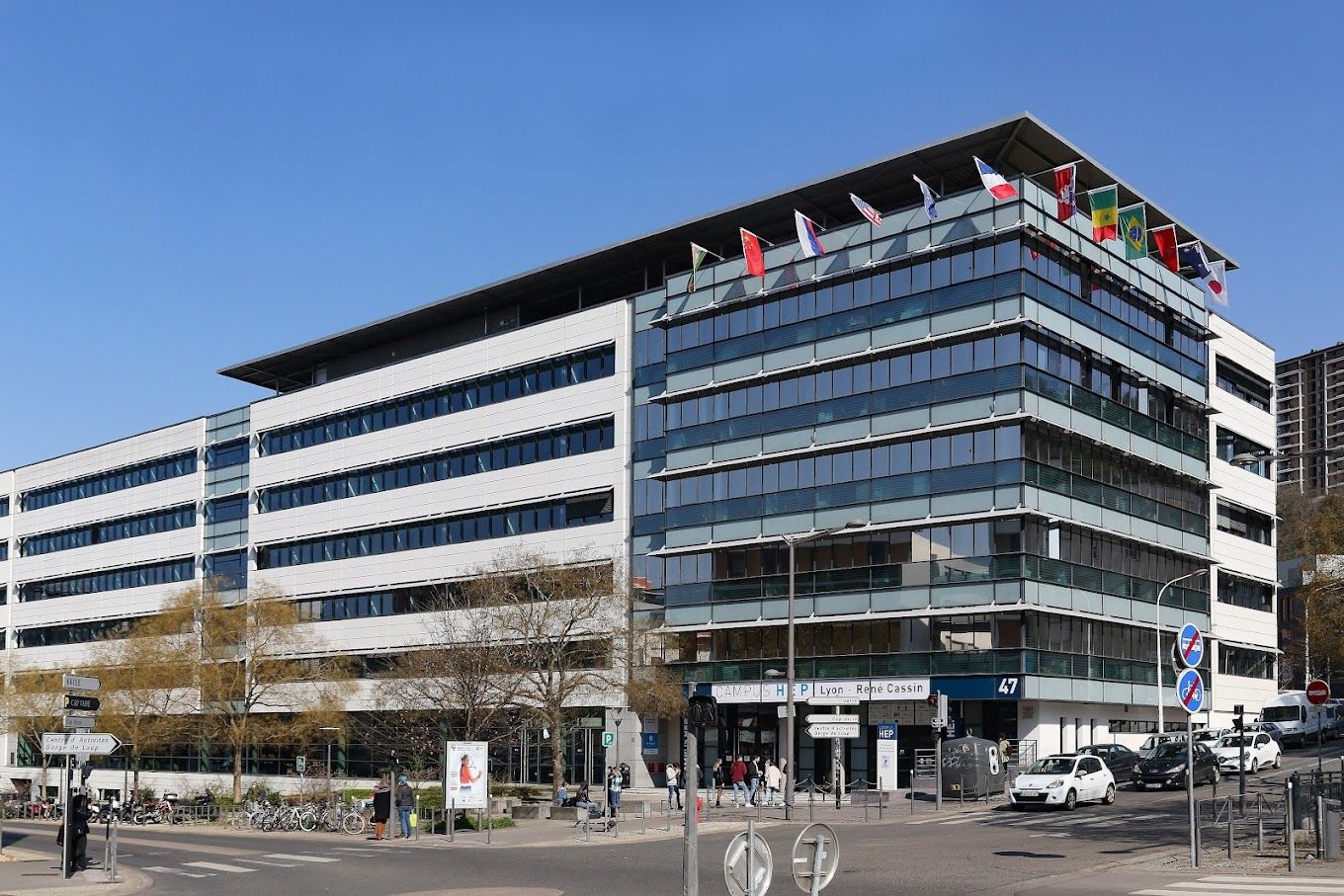
Sponsored by IDRAC Business School (Lyon, France), this hybrid workshop is open to students, practitioners, and scholars from around the world.
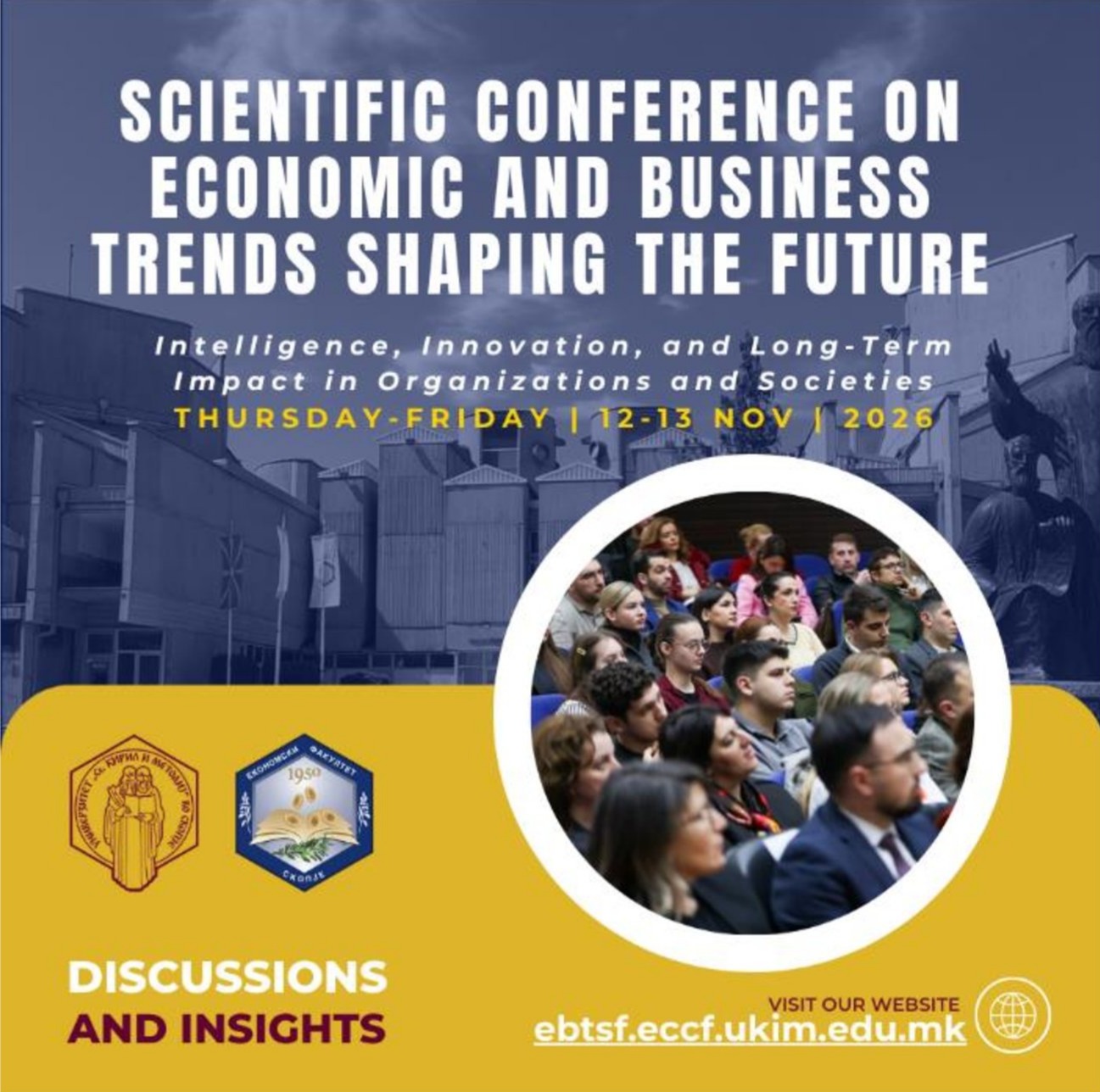
EBTSF 2026 brings together leading scholars, researchers, and practitioners from across the world to present innovative research, exchange ideas, and advance interdisciplinary dialogue at the intersection of economics, business, management, and emerging technologies.
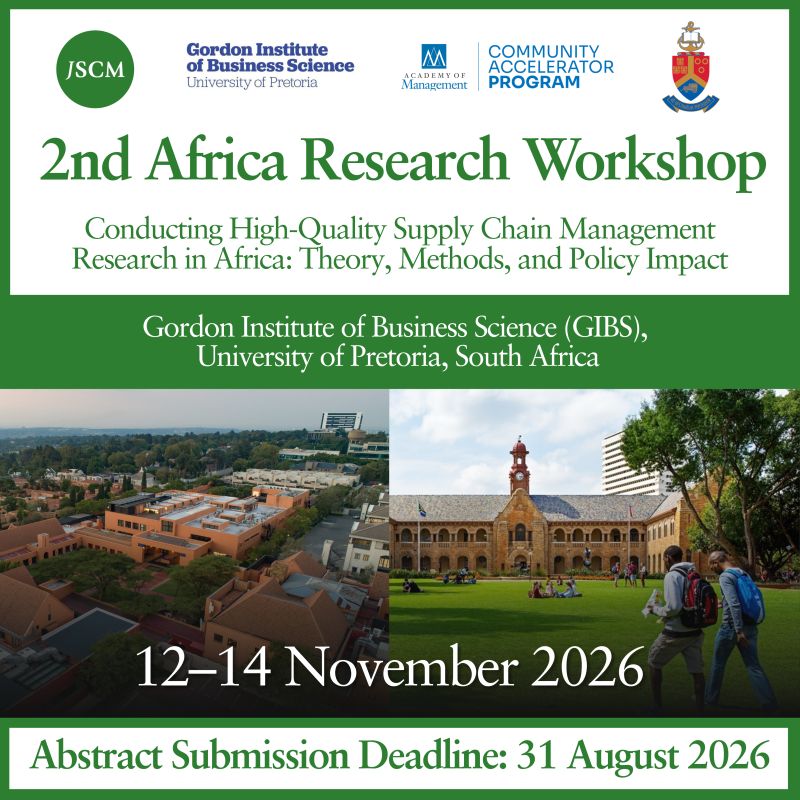
The workshop is designed for doctoral students, early-career researchers, and established scholars interested in advancing high-quality SCM scholarship in African contexts. The workshop aims to provide a strong developmental platform and research incubator for scholars conducting SCM research focused on #Africa.
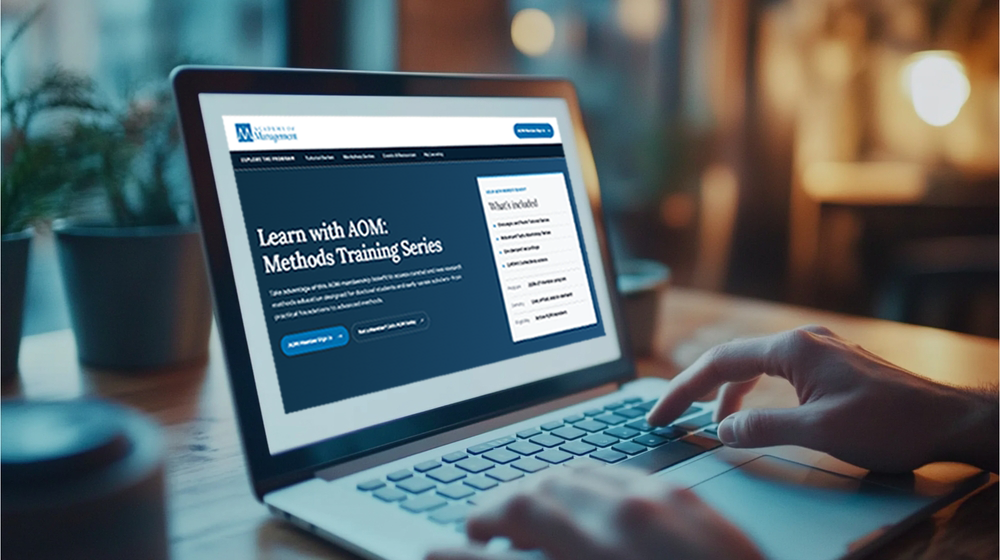
This lecture will discuss basic and advanced multilevel analyses, using random coefficient modeling (RCM) in R. The lecture will start by laying out a foundation for analyzing two-level models in RCM, where the dependent variable is at the lower level (Level 1), and predictors are at both the lower level (Level 1) and a higher-level unit (Level 2).
This summit, hosted by the Academy of Management’s Community Accelerator Program and the Western Michigan University College of Education and Human Development, brings together academics and industry professionals to explore the intersections of theory and application and how each domain is strengthened by the other.